Cold tub - what is it and why use it?
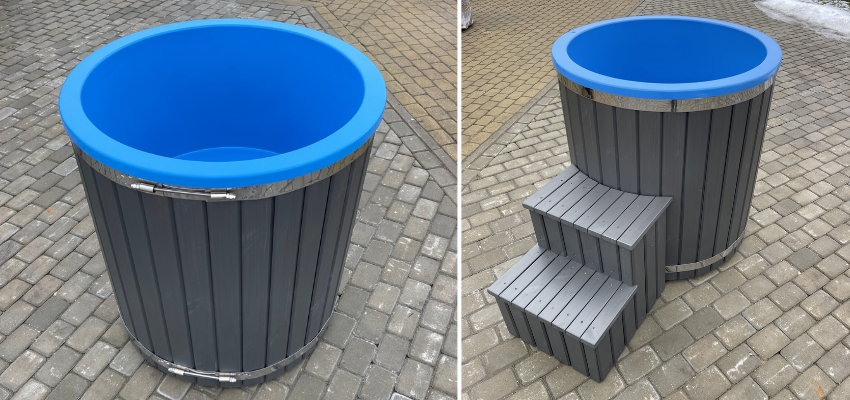
- Category: Cold hot tubs
- Published at: 07.03.2025 12:34
A cold tub is a water tub without a stove, filled with clean, cool water. The purpose is to provide cooling after intense sauna procedures. It provides incredible pleasure and takes the sauna experience to a new level. A cold tub is also an ideal way to cool down on a hot summer day.
- Cold tubs can be used after a sauna session, intense physical activity, or as a daily ritual to promote healing and improve overall well-being.
How does a cold water tub affect health?
Cold baths strengthen the body's natural defenses and improve well-being. Regular cold water therapy can help reduce chronic fatigue and increase energy levels. In addition, they promote the activation of metabolism, which has a positive effect on both physical and mental well-being. Here are five key benefits of cold water therapy:
Improves blood circulation and heart function
Cold water causes a temporary constriction of blood vessels, which then dilate as the body begins to warm up. This process helps to transport oxygen and nutrients to muscles and organs more efficiently, improving blood circulation and promoting heart health.
Helps muscles recover after physical exertion
Athletes often use cold baths to reduce muscle inflammation and relieve pain after intense training. Cold water helps reduce swelling and fatigue and speeds up the recovery process.
Strengthens the immune system
Exposure to cold increases the number of leukocytes, or white blood cells, in the body, which help fight infections and inflammation.
Reduces stress and helps combat anxiety
Cold water activates the nervous system, which helps reduce stress levels and improves mood. This effect occurs because cold shock promotes the release of endorphins (happiness hormones), which help reduce anxiety and fatigue.
Improves skin and hair health
Cold water reduces pore enlargement, helping to keep the skin firm and healthy. It also improves hair structure, making it stronger and less prone to breakage.
How to use a cold water tub correctly?
To get the most out of cold water therapy, it is important to use it gradually and correctly.
Step by step:
- Start with short sessions – Begin by immersing yourself for 30 seconds to 1 minute, gradually increasing the time to 5–10 minutes.
- Control the temperature – The ideal water temperature for a cold bath is 5–15°C. Water that is too cold can cause too much shock to the body if you are not used to it.
- Breathe slowly and deeply – Cold temperatures can cause rapid breathing, so try to focus on deep, controlled breathing.
- Warm up your body gradually after the session – After getting out of the water, it is best to warm up your body gradually, for example, with warm clothes, rather than immediately jumping into a hot shower.
Why choose a thermowood cold water tub?
To ensure that the cold tub is durable and visually appealing, one of the best materials for its manufacture is thermowood.
The main advantages of thermowood:
- Resistance to moisture and temperature fluctuations – Thermowood does not shrink or expand under the influence of weather conditions.
- Biological longevity – Thermally treated wood is resistant to mold, fungi, and microorganisms, making it suitable for outdoor conditions.
- Natural and ecological material – Thermowood contains no chemical additives, making it safe for both people and the environment.
- Aesthetic design – The wood acquires a uniform, natural color that varies from light brown to chestnut brown and lasts for a long time.
A cold tub can be a great addition to any home or sauna. It offers many benefits, from improving blood circulation and muscle recovery to strengthening the immune system and promoting mental well-being.
By choosing a high-quality and durable cold tub, such as a thermo-wood model, you can enjoy cold water therapy in the long term and in any season.
If you want to try contrast therapy or simply improve your well-being, a cold water tub can be a great choice!
Choose cold tubs from us - see products.